

LMS Website for Online Education
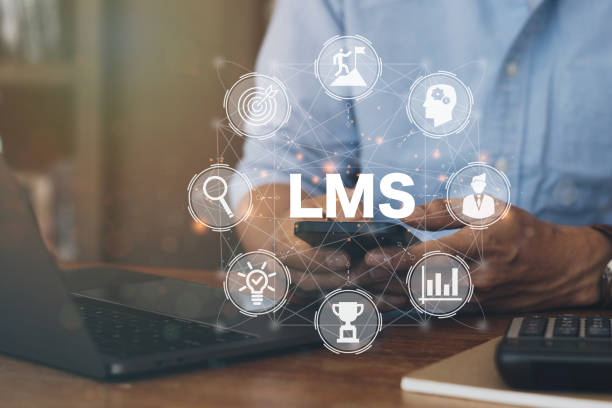
In today’s digital era, online education has become a cornerstone of modern learning. At the heart of this transformation lies the LMS website for online education—a powerful tool that connects educators and learners in an engaging and accessible environment. Learning Management Systems (LMS) provide an all-in-one solution for delivering, tracking, and managing educational content. Whether you’re an educational institution, corporate trainer, or independent course creator, an LMS website is essential to enhance learning experiences and scale your reach effectively.
What is an LMS Website for Online Education?
An LMS website for online education is a digital platform designed to deliver and manage educational courses and training programs. These websites combine interactive learning tools with robust administration features, making it easy for instructors to create, manage, and assess courses while offering learners an engaging and personalized experience.
Key Features of an LMS Website
1. User-Friendly Course Management
An LMS allows educators to upload, organize, and structure their course materials effortlessly. Tools for multimedia integration ensure lessons are engaging and dynamic.
Example: Teachers can combine videos, PDFs, and quizzes to make lessons more interactive.
2. Interactive Learning Tools
From discussion forums to gamified quizzes, LMS websites foster active participation. Interactive elements enhance understanding and retention.
Pro Tip: Use gamification to motivate learners with rewards and progress tracking.
3. Customizable Learning Paths
Learners can follow personalized pathways based on their goals and performance. This flexibility ensures every user gets the most out of their learning experience.
4. Integrated Assessment and Feedback
LMS websites provide tools for quizzes, assignments, and grading. Automated feedback ensures learners receive immediate results, while educators save time on manual assessments.
5. Mobile Accessibility
Modern LMS platforms are mobile-optimized, allowing users to access courses anytime, anywhere.
Case Study: A language learning platform saw a 50% increase in course completion rates after launching its mobile-friendly LMS.
Benefits of an LMS Website for Online Education
1. Scalability for All Educators
From small tutoring centers to global universities, LMS websites scale effortlessly to meet varying needs.
Example: A small coaching institute transitioned to an LMS platform and doubled its enrollment in one year by reaching learners beyond its local area.
2. Cost-Effective Education Delivery
LMS websites reduce costs associated with traditional education, such as physical materials and classroom rentals.
3. Enhanced Learner Engagement
Interactive tools, multimedia content, and gamification ensure that learners remain motivated and involved throughout their courses.
4. Data-Driven Insights
Track learner performance and engagement with in-depth analytics. Educators can identify areas of improvement and adapt their teaching strategies accordingly.
Pro Tip: Use LMS analytics to optimize course content based on learner feedback and behavior.
5. Global Reach
An LMS website removes geographical barriers, allowing educators to connect with a global audience and provide accessible education worldwide.
Popular Use Cases for LMS Websites
Educational Institutions
Universities and schools use LMS platforms to manage online classes, homework, and student progress.
Example: Harvard’s online courses rely on LMS platforms to deliver a seamless learning experience to students worldwide.
Corporate Training
Organizations use LMS websites to train employees, onboard new hires, and upskill teams.
Independent Course Creators
Entrepreneurs and subject matter experts leverage LMS platforms to share their expertise and monetize their knowledge.
Building an LMS Website for Online Education
1. Define Your Goals
Identify the purpose of your LMS—whether it’s academic learning, corporate training, or skill-based education.
2. Choose the Right LMS Platform
Select an LMS platform that aligns with your goals and budget. Popular options include Moodle, Canvas, and Thinkific.
3. Focus on User Experience
Ensure your website is intuitive and user-friendly. A simple navigation menu, clear course structure, and responsive design are essential.
4. Integrate Essential Tools
Incorporate features like video conferencing, automated grading, and analytics to streamline learning and administration.
Real-Life Success Stories
Case Study 1: A Fitness Trainer’s Journey
A fitness instructor created an LMS website offering online courses on yoga and pilates. Within six months, the website attracted over 500 learners, thanks to the platform’s video tutorials and progress tracking tools.
Case Study 2: A University Goes Digital
A university adopted an LMS platform to manage its online courses during the pandemic. The system supported 20,000 students and improved course completion rates by 30%.
Conclusion: Why an LMS Website is a Game-Changer
An LMS website for online education is more than just a teaching tool—it’s a complete solution that transforms how education is delivered and experienced. With features like interactive tools, scalability, and cost-effectiveness, LMS websites empower educators to connect with learners globally and make education accessible to everyone.
Ready to revolutionize your teaching methods? Start building your LMS website today and take online education to the next level
