

Online Store for Small Businesses
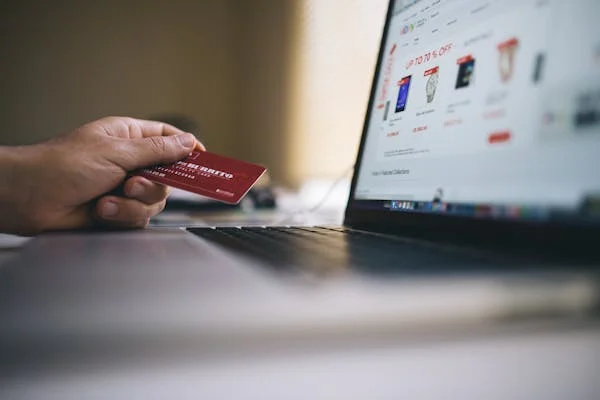
In the age of digital transformation, having an online store for small businesses is no longer a luxury—it’s a necessity. Small businesses can now reach customers far beyond their physical location, boost revenue, and build a stronger brand presence. But how do you start? Creating and running an online store may seem overwhelming, but with the right tools and strategies, it’s easier than ever to succeed. In this article, we’ll explore the steps to building an online store, tips for optimizing sales, and examples of small business success stories.

Why Small Businesses Need an Online Store
Expanding Customer Reach
An online store allows you to connect with customers across the globe, breaking the barriers of geography.
24/7 Availability
Unlike physical stores, an online store operates around the clock, giving customers the freedom to shop at any time.
Cost-Effective Growth
Online stores are often more affordable to set up and maintain than brick-and-mortar locations, making them an excellent option for small businesses.
Example: A small candle-making business saw a 200% increase in sales within three months of launching its online store, reaching customers nationwide.
Choosing the Right Platform for Your Online Store
1. Shopify
One of the most popular platforms for small businesses, Shopify offers:
- User-friendly setup with no coding required.
- Customizable templates to fit your brand.
- Integrated payment gateways and shipping solutions.
Best For: Businesses looking for a quick and scalable solution.
2. WooCommerce
A plugin for WordPress, WooCommerce is perfect for those seeking flexibility and control.
Key Features:
- A vast library of plugins for enhanced functionality.
- Ideal for businesses already using WordPress.
- Low setup costs.
Best For: Tech-savvy business owners or those with an existing WordPress site.
3. BigCommerce
BigCommerce offers robust features for growing businesses, including:
- Advanced SEO tools to boost visibility.
- Multi-channel selling (e.g., social media, Amazon).
- Scalable plans for future growth.
Best For: Businesses planning to expand rapidly.
Steps to Launching an Online Store for Small Businesses
Step 1: Identify Your Target Audience
Understand who your ideal customers are, what they need, and how your products can solve their problems.
Pro Tip: Use surveys, market research, and analytics tools to gather insights about your audience.
Step 2: Build Your Online Store
Follow these essential steps to get your store up and running:
- Choose a Domain Name
Select a name that reflects your brand and is easy to remember. - Pick a Platform
Use platforms like Shopify, WooCommerce, or BigCommerce based on your business goals and technical expertise. - Design Your Website
- Use a clean, mobile-friendly design.
- Showcase your products with high-quality images and descriptions.
- Add a simple navigation menu.
- Set Up Payment and Shipping
Offer secure and diverse payment options (credit cards, PayPal, etc.) and define shipping policies clearly.
Step 3: Optimize Your Product Listings
Well-crafted product listings are key to conversions.
Include:
- Detailed product descriptions.
- Customer reviews and testimonials.
- Competitive pricing.
Example: A small jewelry business added customer reviews to its product pages, increasing conversions by 35%.
Step 4: Drive Traffic to Your Online Store
Implement these strategies to attract visitors:
- Search Engine Optimization (SEO): Optimize your website for keywords like “handmade gifts” or “organic skincare.”
- Social Media Marketing: Promote products on platforms like Instagram and Pinterest.
- Email Marketing: Send newsletters with exclusive discounts and updates.
Common Challenges and How to Overcome Them
Limited Budget
Solution: Start with free tools or basic plans, then reinvest profits into premium features as your business grows.
Technical Barriers
Solution: Choose user-friendly platforms with excellent customer support, or hire a freelance developer for specific tasks.
Low Initial Traffic
Solution: Run targeted ads on Google or social media to attract your audience.
Real-Life Success Stories
Example 1: From Local to Global
A small boutique selling handmade scarves transitioned to Shopify. Within six months, they had international orders from over 15 countries.
Example 2: Social Media Powerhouse
A small bakery leveraged Instagram to showcase its products, linking directly to its online store. The result? A 50% increase in monthly sales.
Conclusion: Start Your Online Store Today
Creating an online store for small businesses has never been easier. By choosing the right platform, optimizing your store, and leveraging digital marketing strategies, you can take your business to new heights. Don’t let the fear of technology or costs hold you back—start small, learn as you go, and watch your business thrive in the digital marketplace.
Ready to take the next step? Explore our tools and services to help you build a successful online store and reach your goals effortlessly!
