

E-commerce Growth Strategies
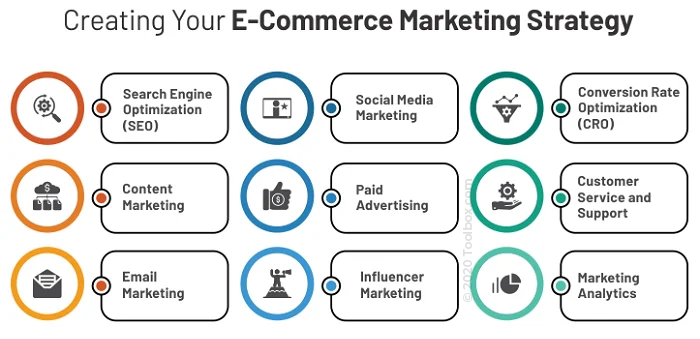
In today’s competitive digital landscape, growing an e-commerce business requires more than just having an online store. E-commerce growth strategies are essential for scaling your operations, reaching new audiences, and boosting revenue. Whether you’re a startup looking to establish a foothold or an established retailer aiming for expansion, implementing the right strategies can make all the difference. This article explores actionable growth strategies that cover everything from customer retention to marketing innovations, providing a roadmap for your e-commerce success.
Why Growth Strategies Are Essential for E-commerce
The Digital Commerce Boom
With global e-commerce sales expected to surpass $6 trillion in the coming years, competition is at an all-time high. Standing out requires innovative tactics that not only attract customers but also retain them.
Beyond Sales: Building a Brand
Growth strategies don’t just drive revenue—they create a loyal customer base, build trust, and position your brand as an industry leader.
Top E-commerce Growth Strategies to Implement Today
1. Optimize for Mobile Shopping
With over 60% of e-commerce traffic coming from mobile devices, ensuring your site is mobile-friendly is non-negotiable.
How to Optimize:
- Use responsive design to provide a seamless experience across devices.
- Simplify checkout processes with mobile payment options like Apple Pay and Google Pay.
- Test your site for speed; even a one-second delay can reduce conversions.
Example: A clothing retailer increased mobile sales by 25% after implementing a one-click checkout option.
2. Leverage Personalization
Personalized shopping experiences increase customer satisfaction and boost conversions.
Strategies:
- Use AI-driven tools to recommend products based on browsing history.
- Send personalized email campaigns with special offers tailored to individual preferences.
- Implement dynamic content on your website that adapts to the user’s behavior.
Case Study: Amazon’s recommendation engine contributes to 35% of its total revenue, showcasing the power of personalization.
3. Expand Through Marketplaces
Listing your products on platforms like Amazon, eBay, and Etsy allows you to tap into a wider audience.
Benefits:
- Instant access to millions of potential customers.
- Built-in trust and credibility.
- Streamlined logistics through services like Amazon FBA (Fulfillment by Amazon).
4. Embrace Social Commerce
Social media platforms are no longer just marketing tools—they’re now direct sales channels.
How to Get Started:
- Set up Instagram and Facebook Shops to showcase products directly on social media.
- Use TikTok’s Shopping feature to reach younger audiences with engaging content.
- Partner with influencers to drive traffic to your store.
Success Story: A beauty brand generated $100,000 in sales within a week by launching a TikTok campaign featuring a trending hashtag.
5. Invest in Retention Marketing
Acquiring new customers is important, but retaining existing ones is more cost-effective.
Retention Strategies:
- Launch a loyalty program offering points for repeat purchases.
- Provide exceptional customer support through live chat and AI-driven bots.
- Re-engage customers with abandoned cart emails that include discounts or free shipping offers.
6. Enhance SEO and Content Marketing
Ranking higher on search engines can drive organic traffic to your store.
SEO Best Practices:
- Optimize product pages with high-quality images, clear descriptions, and relevant keywords.
- Create a blog with useful content that answers customer queries and builds trust.
- Use schema markup to improve your site’s visibility in search results.
Example: A fitness gear store saw a 40% increase in traffic after creating how-to articles optimized for long-tail keywords.
7. Diversify Payment and Shipping Options
Offering multiple payment and shipping options improves customer satisfaction and reduces cart abandonment rates.
Payment Options to Include:
- Credit/debit cards.
- Digital wallets like PayPal and Stripe.
- Buy now, pay later services such as Klarna or Afterpay.
Shipping Tips:
- Offer free shipping for orders above a certain amount.
- Provide real-time tracking to keep customers informed.
8. Use Data Analytics for Smarter Decisions
Data-driven insights can help you refine your strategies for maximum impact.
Tools to Consider:
- Google Analytics for tracking website performance.
- Heatmap tools like Hotjar to understand user behavior.
- Customer relationship management (CRM) software for tracking purchase history and preferences.
Real-Life Example: E-commerce Growth in Action
Business: A small pet supplies store.
Challenges: Stagnant sales and limited brand visibility.
Strategies Implemented:
- Personalized email campaigns targeting pet owners based on their previous purchases.
- Optimized product listings for SEO with descriptive titles and long-tail keywords.
- Partnered with pet influencers on Instagram for product promotions.
Outcome: Within six months, the store doubled its revenue and gained over 10,000 social media followers.
Conclusion: Take Your E-commerce Business to the Next Level
Implementing the right e-commerce growth strategies can transform your business, driving more traffic, boosting sales, and building customer loyalty. From optimizing your website for mobile shopping to leveraging data analytics, these strategies are proven to deliver results.
Ready to grow your e-commerce business? Explore our services and discover how we can help you implement cutting-edge strategies for success!
