

The Benefits of Chatbots in E-commerce Websites.
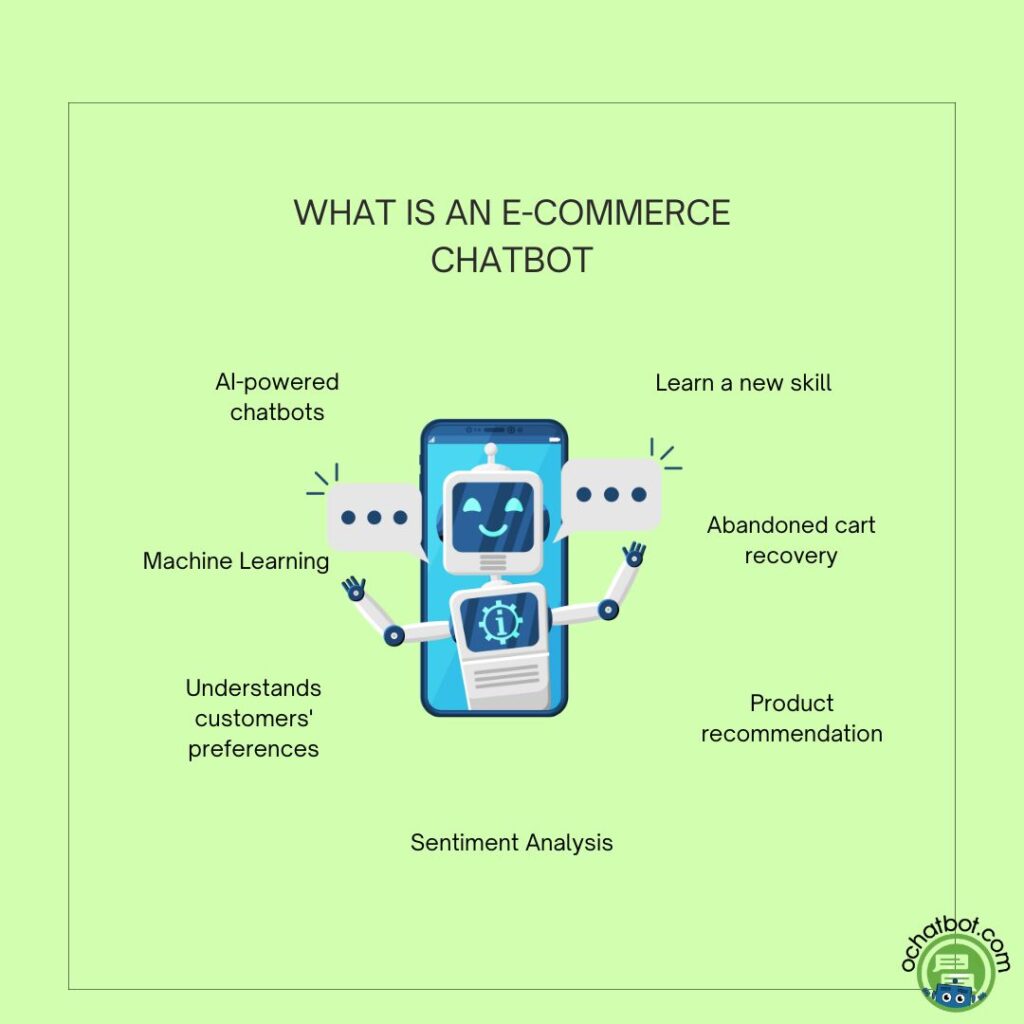
In today’s fast-paced digital marketplace, e-commerce businesses are constantly seeking innovative ways to enhance customer experiences and streamline operations. One technology that has transformed online shopping is the chatbot. By providing instant assistance, personalized recommendations, and 24/7 availability, chatbots have become indispensable for e-commerce websites.
The benefits of chatbots in e-commerce websites extend far beyond customer support—they play a vital role in boosting sales, improving customer engagement, and reducing operational costs. Whether you’re a small business owner or managing a global online store, leveraging chatbot technology can give your website a competitive edge.
Why Chatbots Are Revolutionizing E-commerce
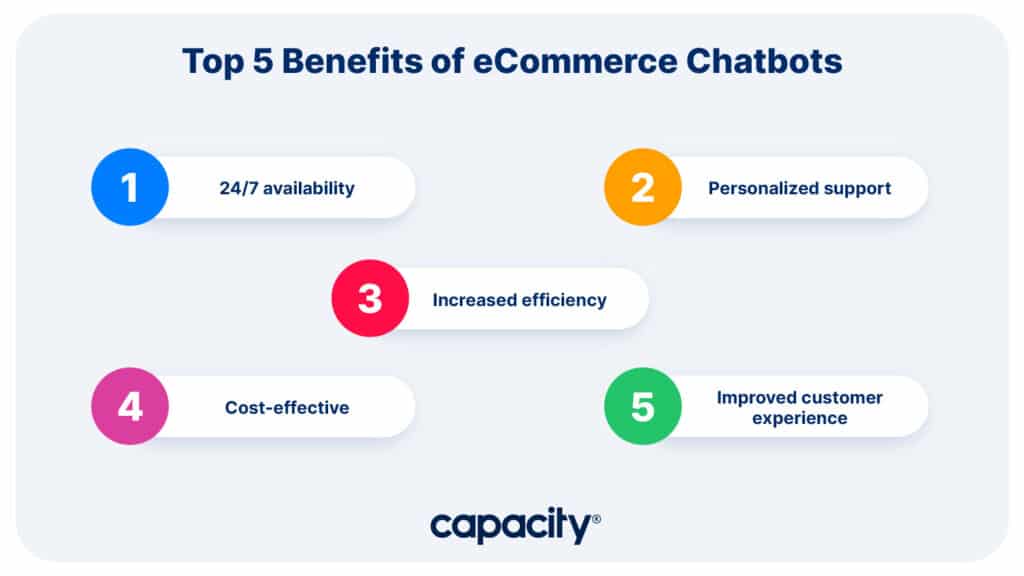
1. 24/7 Customer Support
One of the most significant advantages of chatbots is their ability to provide round-the-clock customer service. Unlike human agents, chatbots never need breaks and can handle multiple queries simultaneously.
- Example: An online fashion retailer can use a chatbot to assist late-night shoppers with size guides, product recommendations, or payment issues.
- Result: This ensures customers always have access to help, improving satisfaction and reducing cart abandonment rates.
2. Instant Responses to Queries
Shoppers expect quick responses to their questions. Chatbots can instantly provide accurate answers, keeping potential buyers engaged and more likely to complete a purchase.
- Scenario: A customer on an electronics website may ask, “What’s the warranty period for this laptop?” A chatbot can immediately provide this information without delays.
Key Benefits of Chatbots in E-commerce Websites
1. Enhanced Personalization
Modern chatbots leverage artificial intelligence to deliver highly personalized shopping experiences. They analyze user behavior, browsing history, and preferences to recommend products tailored to individual needs.
- Example: A skincare e-commerce site can use a chatbot to suggest products based on the customer’s skin type and previous purchases.
- Impact: Personalized experiences foster customer loyalty and drive repeat purchases.
2. Simplified Product Discovery
Finding the right product can be overwhelming for customers browsing through extensive catalogs. Chatbots simplify this process by guiding users with filters, categories, and targeted questions.
- Use Case: A chatbot on a furniture website could ask, “Are you looking for a sofa, bed, or dining table?” and then narrow down the options based on the customer’s preferences.
- Benefit: This reduces search fatigue and speeds up decision-making.
3. Improved Engagement Through Conversational Commerce
Chatbots make shopping more interactive and engaging. By mimicking human-like conversations, they create a more enjoyable shopping experience.
- Example: A chatbot on a sportswear site can interact with customers about their fitness goals and suggest the right gear.
- Outcome: Engaged customers are more likely to make purchases and recommend the website to others.
4. Cost Efficiency and Scalability
Hiring and training customer service representatives can be costly. Chatbots provide an affordable alternative that can scale as your business grows.
- Insight: A chatbot can handle hundreds of inquiries simultaneously during peak shopping seasons, reducing the need for additional staff.
- ROI: Lower operational costs allow businesses to allocate resources to other growth areas.
5. Assistance with Abandoned Carts
Cart abandonment is a significant challenge for e-commerce websites. Chatbots can send reminders or offer incentives, such as discounts, to encourage customers to complete their purchases.
- Example: A chatbot might message a customer with, “You left this item in your cart—complete your purchase now and get 10% off!”
- Effect: This proactive approach can recover lost sales and increase revenue.
Practical Tips for Implementing Chatbots
- Choose the Right Chatbot Platform
Select a chatbot solution that integrates seamlessly with your e-commerce platform and supports AI-driven features like personalization and analytics. - Map Out User Journeys
Understand the most common questions and concerns your customers have. Use this information to design chatbot workflows that address their needs effectively. - Test and Optimize
Continuously monitor your chatbot’s performance and gather user feedback to improve its responses and functionality. - Blend Automation with Human Support
For complex queries, ensure your chatbot can escalate conversations to a human representative. This maintains a balance between automation and empathy.
Real-World Example: Success with Chatbots
A well-known e-commerce company implemented an AI-driven chatbot to assist customers with product recommendations and order tracking. Within six months, the chatbot handled 75% of inquiries without human intervention, reduced response times by 60%, and increased sales conversions by 20%.
Conclusion
The benefits of chatbots in e-commerce websites are clear—they enhance customer experiences, simplify operations, and drive business growth. By providing personalized support, improving engagement, and offering round-the-clock assistance, chatbots empower e-commerce businesses to thrive in a competitive landscape.
Ready to integrate chatbots into your e-commerce strategy? Explore our solutions today to create a seamless shopping experience for your customers.

[…] Chat automation for lead generation is a game-changer for businesses looking to scale their efforts and improve efficiency. By engaging prospects in real time, qualifying leads automatically, and operating 24/7, chatbots help businesses grow while reducing manual workloads. […]